



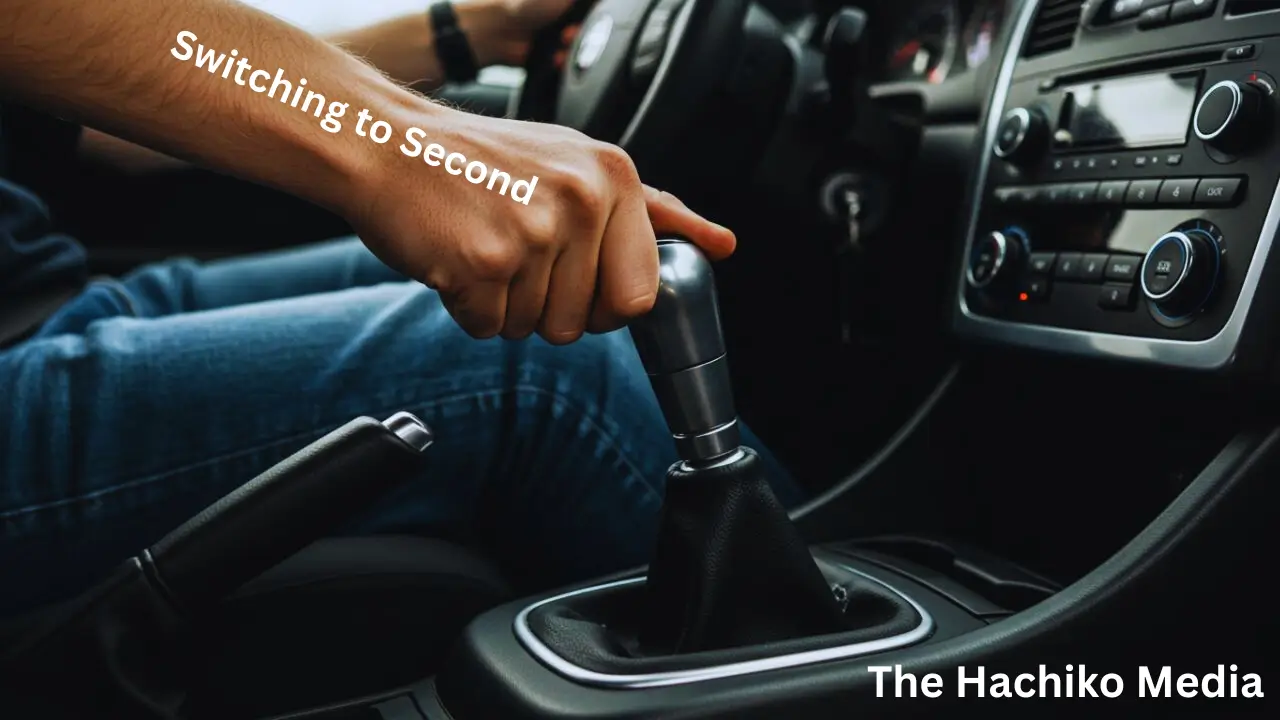
Overview of Gear Shifting’s Significance in Driving
Switching to Second Gear picture the engine humming in perfect sync with your motions as you cruise down a meandering road. Every twist and turn seems effortless, like an extension of oneself. One important factor frequently determines this experience: shifting gears. A lot of drivers do not realize how much changing into second gear can affect their entire driving experience.
Gear shifting is about efficiency and control, not just power or speed. Knowing when to shift gears is crucial for optimizing efficiency and comfort when driving, whether you are negotiating steep slopes or heavy traffic. But what if we told you that embracing 2nd gear may transform how you drive? Let’s go deeper into this game-changing method and explore the various benefits it provides to your regular driving experience.
Benefits of Putting the Second Gear in Various Contexts
In many situations, driving in second gear can greatly improve your experience. This gear gives you the torque you need to climb steep hills without taxing your engine. It lowers your chance of stopping and improves your control.
Wheel spin can be avoided by shifting into second gear in slick weather, such as rain or snow. On slippery ground, the reduced speed increases traction by enabling smoother acceleration.
Additionally, the second gear provides more stability while navigating through confined locations or making abrupt turns. This is particularly helpful in urban situations when quick modifications are necessary.
Changing to second gear is also advantageous for off-road excursions. It makes controlled power delivery possible, which is essential in rough terrain. You will discover that you can boldly overcome challenges with accuracy and ease.
Typical Myths Regarding Second Gear and How to Dispel Them
A common misperception among drivers is that second gear is only for cars with manual transmissions. But in some situations, automatic cars also profit from this equipment.
Another widespread misconception is that putting your engine in second gear might damage it. In actuality, when used properly, it aids in control during steep inclines or low-speed maneuvers.
Some people believe that going into second gear may cause them to slow down too much. Nevertheless, it is a useful method of utilizing power while negotiating sharp turns or difficult terrain without losing speed.
It takes effort and a deeper understanding of your car to dispel these fallacies. Read the owner’s manual thoroughly; understanding when and how to swap gears improves driving safety and confidence in a variety of road situations.
Advice for a Smooth Second Gear Transition
Although it may seem intimidating at first, practice makes perfect when it comes to shifting into second gear. As you get ready to shift, start by gradually reducing your accelerator pressure. This will provide steady momentum.
Next, move the gear stick after fully engaging the clutch. A smooth transition free of grinding requires a full clutch release.
Pay attention to the beat of your engine. You should change gears when it sounds like it is straining. For comfortable driving, timing is crucial.
Steering wheel jerks should be avoided during the shift. Throughout the transition, remain steady and concentrate on keeping your car under control.
Take your time mastering this talent; do not rush it. Confidence comes from familiarity, and as experience grows, each adjustment becomes more seamless.
The Effects of Second Gear Use on Vehicle Maintenance and Fuel Economy
Fuel efficiency can be significantly impacted by shifting into Switching to Second gear. When traveling at low speeds, this lower gear enables your engine to run at its best RPMs, which lowers fuel consumption. Adopting this habit will result in fewer trips to the petrol station.
Additionally, making judicious use of Switching to Second gear contributes to the overall health of your car. Compared to continuously starting from higher ratios, it lessens the load on the engine and transmission. Over time, less wear translates into fewer maintenance expenses.
Switching to second gear improves control and reduces needless acceleration in stop-and-go traffic or on mountainous terrain. This prolongs the life of vital parts like tires and brakes in addition to saving gasoline.
Developing this practice is simple but will have a significant impact on your car’s longevity and financial situation. Once you begin to personally experience the advantages of attentive driving, they become evident Switching to Second.
Testimonials from Experienced Drivers in Real Life
Numerous drivers have found the advantages of shifting into second gear, and their accounts are fascinating.
Consider Sarah. While navigating her mountainous neighborhood, she discovered how to change into second gear. She was aSwitching 2nd: A Key Skill Every Driver Should Master
ble to handle steep inclines without taxing her engine thanks to the additional control.
Next up is Mark, a delivery man who swears by putting his car in second gear when he is stuck in downtown traffic. He discovered that it improved his acceleration in stop-and-go scenarios, which increased the efficiency of his routes Switching to Second.
The subtleties of shifting down into second on twisting roads are appreciated even by seasoned devotees like Jake. He believes it improves his relationship with the car and makes driving more interesting Switching to Second.
These testimonies demonstrate how many people’s daily driving experiences have changed when they shift into second gear. Their stories inspire others to investigate this straightforward yet powerful method on their own travels Switching to Second.
In conclusion, using the might of second gear for
Your driving experience can be completely changed by embracing the potential of second gear. It is not just about changing gears; it is also about increasing efficiency, control, and vehicle performance. Many drivers fail to see the advantages of efficiently using second gear. You can gain a new level of driving confidence by realizing its benefits in a variety of scenarios, such as negotiating steep hills or making abrupt bends Switching to Second.
You might be surprised to learn how simple it is to shift effortlessly into second gear. Over time, this change will become instinctive if you practice and pay attention to how your car responds. It is also impossible to overstate the influence on fuel economy; careful usage of lower gears can prolong the life of your car and result in considerable gas savings Switching to Second.
Experienced drivers’ first-hand accounts demonstrate how putting the car in second gear has improved their handling in difficult situations or increased their enjoyment of driving in general Switching to Second.
Examining this sometimes overlooked facet of driving may alter the way you engage with your car on a daily basis. Why wait, then? Now is the time to embrace the possibilities of putting your car in Switching to Second gear!