



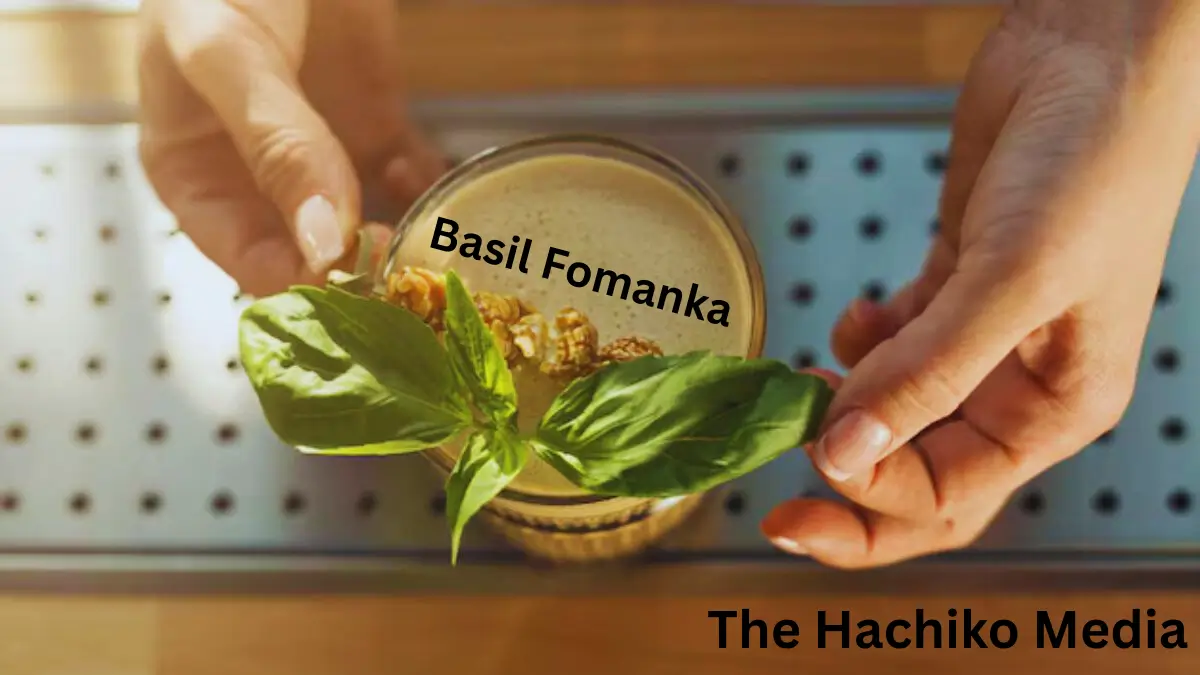
Overview of Fomanka Basil
Are you prepared to use your home garden to improve your cooking skills? Let me introduce you to basil fomanka, a beautiful kind of basil that magically blends flavor and scent. This herb, which is well-known for its vivid green leaves and mildly peppery flavor, is not only a kitchen essential but also a pleasure to cultivate. Imagine using your own plants’ fresh leaves to add flavor to food or infuse oils with their aromatic essence. Growing basil fomanka may be a fulfilling experience that enhances the freshness of your meals and the aesthetics of your home, regardless of your level of gardening knowledge. Let us explore all you need to know about growing this fragrant marvel at home!
Advantages of Home-Growing Basil
Beyond just being delicious, growing basil at home has many other advantages. First of all, fresh basil gives food a rich flavor that elevates even the most basic meals to gourmet experiences.
When you have your own supply, you can harvest it whenever you need to. In addition to guaranteeing maximum freshness, this promotes more frequent culinary explorations.
Basil is also easy to cultivate and requires minimum space. Even people with little gardening knowledge can grow this fragrant herb successfully, whether it is on a windowsill or balcony.
Additionally, basil purifies its surroundings, which improves indoor air quality. Its aromatic leaves offer a pleasant scent in addition to a host of health advantages because of their anti-inflammatory qualities.
Taking care of plants like basil promotes calm and mindfulness. Taking care of vegetation improves mental health and makes you happy when you see your little garden grow.
Selecting the Proper Site for Your Basil Plants
Location is crucial while growing basil fomanka. This fragrant plant needs a bright area because it grows best in warm conditions. Every day, try to get at least six hours of sunlight.
Think about positioning your garden beds or pots close to windows that face west or south. Throughout the day, these regions usually receive the most light and warmth. Choose a protected spot where wind will not harm your plants if you are planting outside.
Drainage is just as crucial. Because damp roots can cause disease, basil loves soil that drains properly. For this, raised beds or containers are ideal.
Make sure there is enough airflow around your plants if you are growing them indoors to keep mold and pests at bay. Rich growth and tasty leaves that enhance every meal can be achieved with a little environmental awareness!
Soil Preparation for Planting
Strong growth of your basil fomanka depends on the soil being prepared. Start by picking a container or garden bed with good drainage. Well-aerated soil is ideal for basil growth.
Next, add organic stuff to the area of your choice. Compost promotes healthy bacteria and offers essential nutrients. To make it easier for roots to spread, aim for a loose texture.
Additionally, check your soil’s pH level. Basil thrives in slightly acidic environments; a pH range of 6.0 to 7.0 is ideal.
Use a tiller or fork to loosen the top few inches of soil before planting. This facilitates efficient water penetration and encourages aeration.
Consider spreading mulch after planting to conserve moisture and prevent weeds since they can compete for resources with your young plants.
How to Grow and Take Care of Your Own Fomanka Basil
While planting Fomanka basil is simple, it does take some attention. Start with young plants or high-quality seeds. To promote healthy growth, space them apart by roughly 12 inches.
To provide a wet environment, water the soil before planting. This speeds up the establishment of robust roots for your seedlings. Lightly cover the seeds with dirt and gently press them into the ground.
After planting, make sure your basil receives enough sunlight—ideally, six hours each day. Consider utilizing grow lights to augment natural light throughout the darker months if you are growing inside.
Watering frequently is essential, but minimize waterlogging; in between applications, allow the top inch of soil to dry out. Fertilization can improve flavor and development every several weeks. Choose a herb-specific organic choice.
Pay attention to the color and size of the leaves as they grow because they are important markers of healthy plants.
How to Gather and Store Basil
It is satisfying to harvest basil fomanka. Pick the leaves off the top of the plant first. This keeps your plant healthy and promotes bushier growth.
Harvest during a sunny morning when there is less moisture present. To prevent harming the plant, carefully cut or twist the stems using clean scissors. To keep it growing, try to get around one-third of the leaves at a time.
There are various methods for preserving basil after it has been harvested. Drying is a common technique; just hang tiny bunches upside down in a cool, dark place until they are totally dry.
As an alternative, think about freezing chopped leaves in ice cube trays with olive oil mixed throughout. Later cooking is made easier with these tasty cubes.
Try out a variety of preservation methods to see which suits your cooking the best! Savor every bite of this delectable adventure while using own produce from home.
Solving Typical Problems with Fomanka Basil
Despite being a strong herb, basil fomanka can have several typical problems. Wilting leaves are one of the primary issues. This frequently denotes underwatering or overwatering. Verify the moisture content of your soil; it should be moist but not drenched.
Healthy growth might also be threatened by pest infestations. Watch for spider mites or aphids, which can cause leaves to turn yellow. Usually, a light mist of neem oil or insecticidal soap works well.
Leaf discolouration is another problem that could be caused by nutritional shortages. To give your plants a boost, use a balanced organic fertilizer if you see pale foliage.
Make sure your basil is receiving enough sunshine if it is not growing as it should. It needs at least six hours every day to grow vibrantly and enhance its flavor. If need, reposition it to receive as much sunshine as possible.
Innovative Uses for Your Own Basil
A world of culinary inventiveness is unlocked by fresh basil fomanka. For a taste boost, try adding it to salads. It is a great complement to caprese recipes because of its fragrant flavor, which goes well with tomatoes.
The leaves can also be blended into homemade pesto. To make a colorful sauce that enhances pasta or sandwiches, mix basil with garlic, almonds, and olive oil.
Think about using your own basil to infuse oils or vinegars. Give the flavors time to combine; this gives marinades and sauces more depth Basil Fomanka.
Add chopped basil to fruit salads or sweets like sorbets for a pleasant touch. The distinct flavor of the herb goes incredibly well with watermelon and strawberries Basil Fomanka.
Herbal teas should not be overlooked! For a revitalizing beverage that both soothes and refreshes, steep fresh leaves in hot water Basil Fomanka.
Conclusion
A fulfilling project that improves your garden and your culinary explorations is growing basil fomanka at home. Herb lovers love this unusual type because it has a great flavor and scent combination. You may produce thriving plants by picking the ideal spot, creating nutrient-rich soil, and giving them the correct attention at every stage of their growth cycle Basil Fomanka.
Remember to get creative in the kitchen as you harvest and store your basil. There are numerous ways to savor your produced produce, including infused oils, tasty salads, and fresh pesto. You can soon experience the many benefits of growing basil fomanka in your own backyard with a little perseverance and care. Have fun with your gardening!